
Hershel "Woody" Williams National Medal of Honor Monument Location Act
Established the specific location for a national monument honoring Medal of Honor recipients on the National Mall. This was the final legislative step following the original 2021 authorization.

One Big Beautiful Bill Act
The 119th Congress's signature legislative package — extending tax cuts, expanding energy production, reducing costs, and streamlining regulations across the American economy.
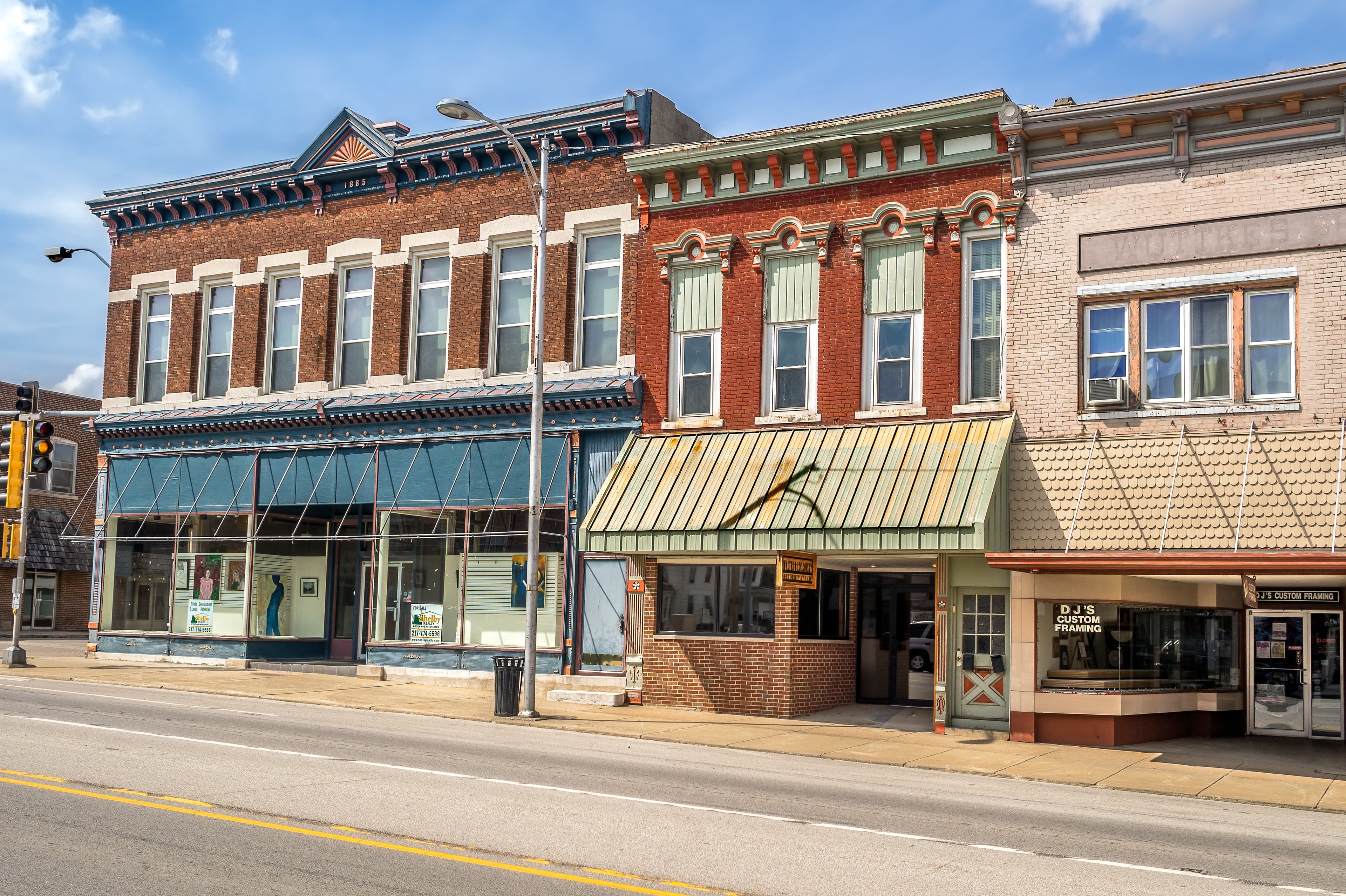
Small Business Growth Act
Significantly increased the Section 179 deduction cap, enabling companies to immediately deduct more equipment and capital investment costs.

Charitable Act
Expanded the above-the-line charitable deduction for non-itemizers, empowering more Americans to support local nonprofits, faith-based organizations, and community initiatives.

Saline Lake Ecosystems in the Great Basin States Program Act
Established a coordinated scientific monitoring program to protect saline lake ecosystems across the Great Basin, safeguarding migratory bird habitats, water resources, and regional industries.

MAPLand Act
Required federal agencies to digitize and standardize public land mapping and easement records, helping hunters, anglers, and outdoor enthusiasts identify legal access points.
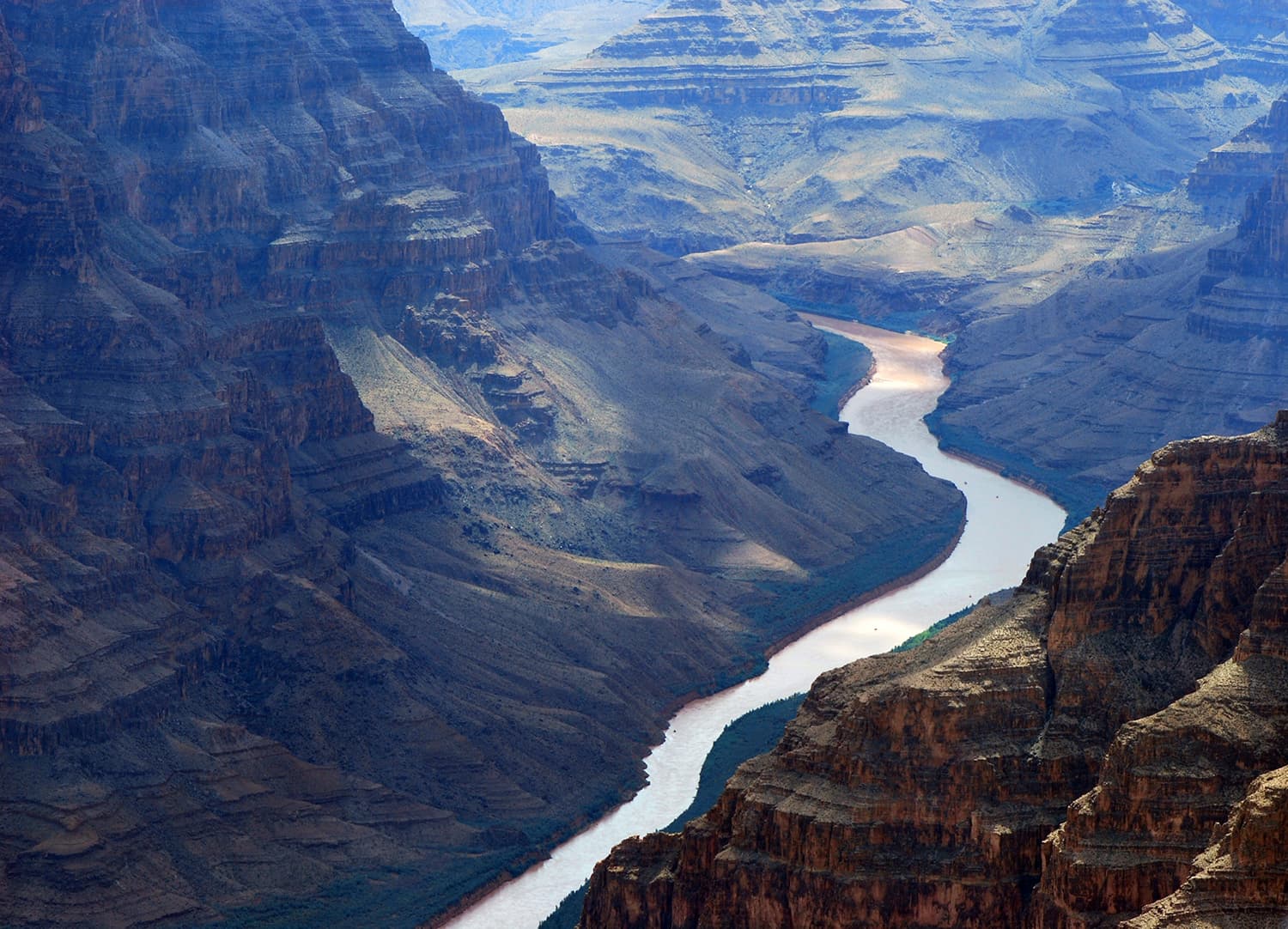
MAPWaters Act
Required standardized, publicly available mapping data for federal waterways, improving transparency for anglers and boaters while promoting responsible stewardship.

Medal of Honor Monument Act
Authorized a national monument in Washington, D.C. honoring Medal of Honor recipients — permanently recognizing their courage and service in the nation's capital.

Range Access Act
Required qualifying National Forests and BLM districts to maintain at least one free public shooting range, supporting responsible firearm training while strengthening conservation funding.

Recreation Not Red Tape Act
Streamlined permitting and reduced bureaucratic barriers to outdoor recreation on federal lands, modernizing agency coordination and ensuring public lands remain accessible for future generations.

Court Improvement Act
Modernized state court handling of foster care and adoption proceedings by allowing Court Improvement Program funds to support technology upgrades and emergency continuity planning.

CBO Data Sharing Act
Strengthened CBO's ability to deliver accurate cost estimates by ensuring access to executive branch data while preserving confidentiality protections.
Hershel "Woody" Williams National Medal of Honor Monument Location Act
Established the specific location for a national monument honoring Medal of Honor recipients on the National Mall. This was the final legislative step following the original 2021 authorization.
One Big Beautiful Bill Act
The 119th Congress's signature legislative package — extending tax cuts, expanding energy production, reducing costs, and streamlining regulations across the American economy.
Small Business Growth Act
Significantly increased the Section 179 deduction cap, enabling companies to immediately deduct more equipment and capital investment costs.
Charitable Act
Expanded the above-the-line charitable deduction for non-itemizers, empowering more Americans to support local nonprofits, faith-based organizations, and community initiatives.
Saline Lake Ecosystems in the Great Basin States Program Act
Established a coordinated scientific monitoring program to protect saline lake ecosystems across the Great Basin, safeguarding migratory bird habitats, water resources, and regional industries.
MAPLand Act
Required federal agencies to digitize and standardize public land mapping and easement records, helping hunters, anglers, and outdoor enthusiasts identify legal access points.
MAPWaters Act
Required standardized, publicly available mapping data for federal waterways, improving transparency for anglers and boaters while promoting responsible stewardship.
Medal of Honor Monument Act
Authorized a national monument in Washington, D.C. honoring Medal of Honor recipients — permanently recognizing their courage and service in the nation's capital.
Range Access Act
Required qualifying National Forests and BLM districts to maintain at least one free public shooting range, supporting responsible firearm training while strengthening conservation funding.
Recreation Not Red Tape Act
Streamlined permitting and reduced bureaucratic barriers to outdoor recreation on federal lands, modernizing agency coordination and ensuring public lands remain accessible for future generations.
Court Improvement Act
Modernized state court handling of foster care and adoption proceedings by allowing Court Improvement Program funds to support technology upgrades and emergency continuity planning.
CBO Data Sharing Act
Strengthened CBO's ability to deliver accurate cost estimates by ensuring access to executive branch data while preserving confidentiality protections.
